Full-Arch Dental Implants in Naperville, IL
Fixed, Natural-Looking Teeth Supported by as Few as Four Implants
When most or all teeth in one jaw are failing, every option can feel consequential. Saving individual teeth may no longer be predictable, yet living with an unstable denture may not provide the comfort or confidence a patient wants.
Full-arch dental implants replace an entire upper or lower arch with a prosthesis supported by several implants. The treatment may provide greater stability for eating, speaking, and smiling, but it also requires surgery, careful hygiene, and ongoing professional maintenance.
At Oral & Facial Surgery of Naperville, board-certified oral and maxillofacial surgeons Maher Jandali, DMD, MD, and John Hur, DDS, MD, plan and place full-arch implants in coordination with the dentist who creates the replacement teeth.
What Are Full-Arch Dental Implants?
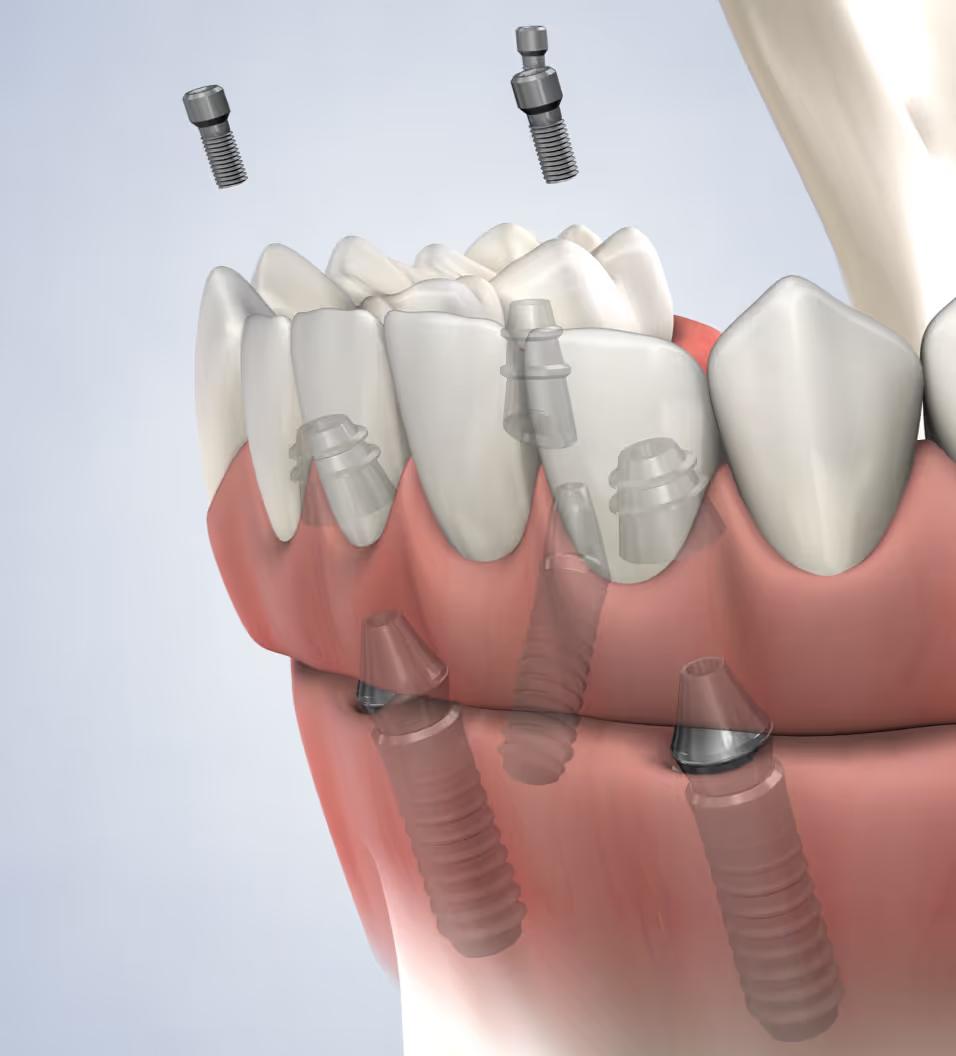
Full-arch dental implants use multiple implants to support a complete set of upper or lower replacement teeth. Unlike conventional dentures, which rest mainly on the gums, implant-supported teeth transfer support to implants positioned within the jawbone.
“All-on-4” refers to an arch supported by four implants. “All-on-X” is a broader term acknowledging that implant number and position should be selected for the individual case. Some patients need four implants, while others benefit from a different number or distribution.
Treatment may support:
- A fixed prosthesis removed only by a dental professional
- A removable overdenture that attaches securely to the implants
- A temporary restoration used while the implants heal
- A definitive prosthesis created after healing
Fixed and removable options differ in feel, hygiene, repair, cost, restorative space, and maintenance. Neither is universally better.
Who May Be a Candidate for Full-Arch Implants?
Full-arch implants may be considered when all teeth are missing in one jaw, many remaining teeth have a poor prognosis, or a conventional denture no longer provides acceptable stability. Candidacy depends on oral health, anatomy, medical history, restorative needs, and the ability to maintain the result.
A complete evaluation considers:
- Which teeth are missing, failing, or maintainable
- Gum health and periodontal history
- Available jawbone
- Nerve and sinus anatomy
- Bite forces and restorative space
- Medical conditions and medications
- Tobacco or nicotine use
- Grinding or clenching
- Manual dexterity and hygiene
- Expectations for appearance, function, and maintenance
Removing teeth that could remain healthy and functional may not be appropriate. The consultation should clarify which teeth are worth preserving and why full-arch treatment is or is not the preferred option.
Full-Arch Implants vs. Traditional Dentures
Traditional dentures are removable appliances supported primarily by the gums. Implant-supported restorations attach to implants in the jaw, which may provide greater stability during chewing and speaking.
A conventional denture may still be appropriate for someone who prefers to avoid surgery, has health factors that increase surgical risk, or wants a less complex treatment. An implant overdenture offers an intermediate option: it remains removable but attaches more securely than a traditional denture.
A fixed restoration stays in the mouth and is removed by a dental professional when needed. It may feel more secure, but cleaning beneath it requires specific tools and daily effort. Fixed does not mean maintenance-free.
What Does “Teeth in a Day” Actually Mean?
“Teeth in a day” usually means implants and a temporary set of teeth may be placed during the same treatment phase. Those teeth are provisional, and the implants still need time to integrate with the jawbone before receiving the final prosthesis.
Same-day fixed teeth depend on:
- Implant stability at surgery
- Bone quality and quantity
- Implant position
- Bite forces
- Need for grafting
- Medical and oral health
- Ability to follow a restricted diet
Some patients receive a fixed provisional arch. Others need a removable temporary appliance or staged treatment. Immediate teeth cannot be promised until the surgeon evaluates the anatomy and confirms implant stability.
How Is Full-Arch Implant Treatment Planned?
Full-arch planning starts with the replacement teeth, not simply the available bone. The implants must support the proposed prosthesis while accounting for facial support, speech, bite forces, nerve pathways, sinus anatomy, and access for cleaning.
Oral & Facial Surgery of Naperville uses 3D cone-beam CT imaging to evaluate the jaws and plan implant placement. X-Guide dynamic navigation may also provide real-time information about implant position, angle, and depth during selected procedures.
The oral surgeon and restorative dentist have distinct but connected roles. The surgeon plans and places the implants; the restorative provider designs and delivers the provisional and final teeth. Before treatment, patients should understand each provider’s responsibilities, fees, and follow-up schedule.
What Happens During the Full-Arch Implant Process?
Treatment varies according to the remaining teeth, bone anatomy, implant stability, and restorative plan.
Consultation and 3D Evaluation
The surgeon reviews the medical and dental history, examines the mouth, and evaluates three-dimensional imaging. This visit determines whether teeth can be maintained, whether bone preparation or grafting may be needed, and which implant-supported options are reasonable.
Surgical and Restorative Planning
The surgeon and restorative dentist coordinate implant position, prosthetic design, anesthesia, temporary teeth, healing, and final restoration. The plan should also address alternatives, risks, maintenance, cost, and what happens if immediate fixed teeth are not possible.
Tooth Removal and Implant Placement
Teeth with a poor prognosis may be removed, and the jaw may be prepared for implant placement. The surgeon positions the planned implants according to the available anatomy and intended restoration.
Provisional Teeth
When the implants achieve sufficient stability, a temporary fixed prosthesis may be attached. If immediate loading is not appropriate, another temporary arrangement may be used.
Healing and Final Restoration
During osseointegration, the bone forms a close connection with the implants. Once healing and tissue conditions permit, the restorative dentist replaces the provisional teeth with the definitive prosthesis.
Can Full-Arch Implants Work With Bone Loss?
Bone loss may limit conventional implant placement, but it does not automatically rule out treatment. Depending on its location and severity, options may include using available bone strategically, performing bone grafting, changing the prosthetic design, or considering a specialized implant approach.
For selected patients with severe upper-jaw bone loss, zygomatic implants may obtain support from the cheekbone. They are not a routine substitute for conventional implants or grafting and involve different anatomical and surgical considerations.
Three-dimensional imaging is necessary to compare the available approaches and determine whether the added complexity is justified.
What Anesthesia Is Used?
Local anesthesia numbs the surgical areas. Additional anesthesia or sedation may be recommended according to the extent of surgery, medical history, anxiety, and treatment plan.
Patients receiving sedation must follow individualized instructions concerning food, fluids, medications, transportation, and supervision. No medication should be stopped or changed unless the appropriate clinician has provided specific directions.
Review the practice’s anesthesia options.
Anesthesia and Sedation Options
The anesthesia plan is selected according to the procedure, medical history and patient’s comfort needs. Available options may include local anesthesia, nitrous oxide, intravenous sedation or general anesthesia.
What Is Recovery Like?
Recovery depends on the number of extractions, implants placed, bone preparation, grafting, anesthesia, and individual healing. Swelling, tenderness, bruising, minor bleeding, fatigue, and temporary changes in speech or sensation may occur early in recovery.
Patients commonly follow a soft or no-chew diet while the implants integrate. Temporary fixed teeth may look functional, but they do not indicate that the underlying bone has healed. Excessive chewing force during this period may compromise an implant or damage the provisional prosthesis.
Instructions generally address:
- Medication and swelling control
- Cleaning around the implants and temporary teeth
- Food texture, calories, protein, and hydration
- Activity restrictions
- Prosthesis care
- Follow-up visits
- Symptoms that require clinical guidance
Contact the practice for bleeding that does not slow, worsening swelling after initial improvement, fever, drainage, uncontrolled pain, persistent numbness, or a loose or damaged prosthesis.
What Should I Expect From Temporary Teeth?
Provisional teeth protect appearance and provide limited function while the implants and tissues heal. They may initially feel bulky or unfamiliar and can temporarily affect speech, chewing, lip movement, and tongue position.
The provisional restoration also gives the restorative team an opportunity to assess the bite, contours, appearance, speech, and hygiene access before fabricating the final teeth. Adjustments may be needed as swelling resolves.
Temporary teeth require dietary restrictions and may fracture or loosen. Report discomfort, bite imbalance, cleaning difficulty, or prosthetic movement promptly.
When Are the Final Teeth Placed?
Final teeth are delivered after the implants and surrounding tissues have reached sufficient stability. Timing depends on bone quality, implant stability, grafting, medical health, tissue healing, and the restorative plan.
Updated records are generally used to refine tooth shape, color, position, bite, speech, facial support, and cleaning access. Receiving temporary teeth on the day of surgery does not shorten the biological healing process or guarantee a specific date for the definitive restoration.
How Are Full-Arch Implants Maintained?
Full-arch restorations require daily cleaning and regular professional care. Although the replacement teeth cannot decay, plaque around the implants can inflame the surrounding tissues and contribute to bone loss.
Maintenance may include:
- Brushing along the restoration and gumline
- Cleaning beneath the prosthesis with recommended tools
- Using an oral irrigator when advised
- Attending regular examinations and professional maintenance
- Wearing a nightguard when prescribed
- Avoiding tobacco and nicotine
- Reporting bleeding, swelling, looseness, discomfort, or bite changes
The restorative team should demonstrate how to clean the specific prosthesis. A patient who cannot maintain a fixed restoration may be better served by a removable design.
How Long Do Full-Arch Implants Last?
Full-arch implants are intended for long-term use, but neither the implants nor the prosthesis is guaranteed to last for life. The implants, screws, connecting components, and replacement teeth may have different maintenance and replacement needs.
Longevity is influenced by oral hygiene, gum and bone health, implant position, prosthetic design, bite forces, grinding, nicotine use, medical conditions, and professional maintenance.
The prosthesis may eventually require adjustments, replacement screws, repair of worn or fractured teeth, or complete remaking even when the implants remain stable.
What Are the Risks and Limitations?
Full-arch treatment includes surgical, biological, and restorative risks. These may include:
- Bleeding or infection
- Delayed healing
- Failure of one or more implants to integrate
- Bone loss or inflammation around an implant
- Altered sensation
- Sinus complications
- Injury to nearby structures
- Anesthesia-related complications
- Loosening or fracture of screws and prosthetic components
- Chipping, wear, or breakage of replacement teeth
- Food trapping or difficulty cleaning
- Speech or bite changes
- Need for repair, revision, or replacement
Careful planning and maintenance reduce risk but cannot eliminate it. Full-arch restorations also do not reproduce natural teeth exactly. Sensation, hygiene, chewing, and long-term care are different.
Why Choose Oral & Facial Surgery of Naperville?
Full-arch reconstruction may involve multiple extractions, bone preparation, grafting, implant placement, anesthesia, and management of complex anatomy. Oral and maxillofacial surgeons complete hospital-based training focused on surgery of the mouth, jaws, face, and related structures.
Dr. Maher Jandali and Dr. John Hur each hold dental and medical degrees and are certified by the American Board of Oral and Maxillofacial Surgery.
Their role is not simply to place a predetermined number of implants. It is to determine whether full-arch treatment is appropriate, preserve maintainable structures when possible, establish a sound surgical foundation, and coordinate that foundation with the final restorative plan.
Frequently Asked Questions About Full-Arch Dental Implants
Not exactly. All-on-4 refers to a full-arch restoration supported by four implants. All-on-X describes treatment using the number and distribution of implants appropriate for the patient. Anatomy, bone quality, bite forces, and prosthetic design determine the plan rather than a fixed formula.
They may be fixed or removable. A fixed prosthesis is removed only by a dental professional, while an implant-supported overdenture can be removed by the patient. The options differ in stability, hygiene, maintenance, restorative space, cost, and feel.
Possibly. Immediate fixed provisional teeth require sufficient implant stability and a suitable restorative plan. If those conditions are not met, a removable temporary appliance or staged approach may be safer. The final teeth are not delivered until healing and restorative requirements have been satisfied.
Possibly. Long-term denture wear may reduce jawbone volume, but conventional implants, grafting, zygomatic implants, or a removable implant-supported restoration may still be considered. A clinical examination and 3D imaging are needed to determine which options remain appropriate.
Patients generally follow a soft or no-chew diet while the implants heal. Temporary fixed teeth do not permit unrestricted chewing. The care team will explain appropriate food textures and when the diet may advance. Adequate protein, calories, and hydration are important throughout recovery.
Cost depends on imaging, extractions, anesthesia, bone preparation, grafting, implant number and type, temporary teeth, final prosthetic materials, and follow-up care. Surgical and restorative fees may be separate. Patients should request a written estimate identifying what is included and review available financing options.
Coverage varies by plan. Insurance may contribute toward extractions, imaging, grafting, anesthesia, implants, or the prosthesis while excluding other components or applying annual limits. Medical insurance applies only in selected circumstances. Both surgical and restorative benefits should be verified.
Patient Testimonials
Hear from our patients about their experiences with Full-Arch Dental Implants and other procedures.
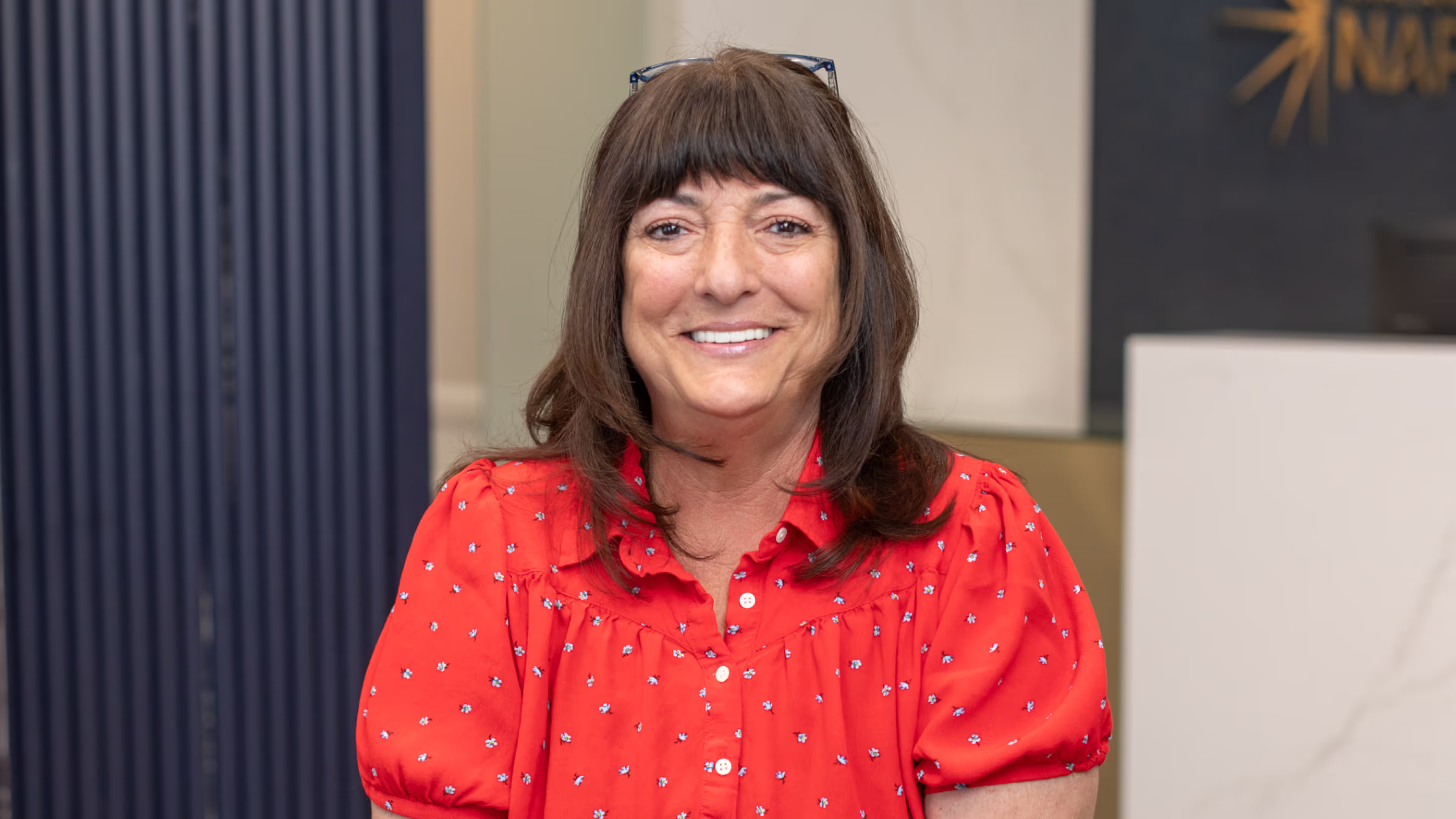
"Hi, I'm Debi from Warrenville. I came to this practice for a full-arch. This practice, they're amazing; welcoming, so kind, so conscientious, explained everything, made you feel at ease. I healed perfectly. My quality of life is amazing. I can now eat an apple, corn on the cob. I actually had to remind myself that I had a pretty smile and pretty teeth, and I could open my mouth and smile. I had an amazing experience. I highly recommend this practice."
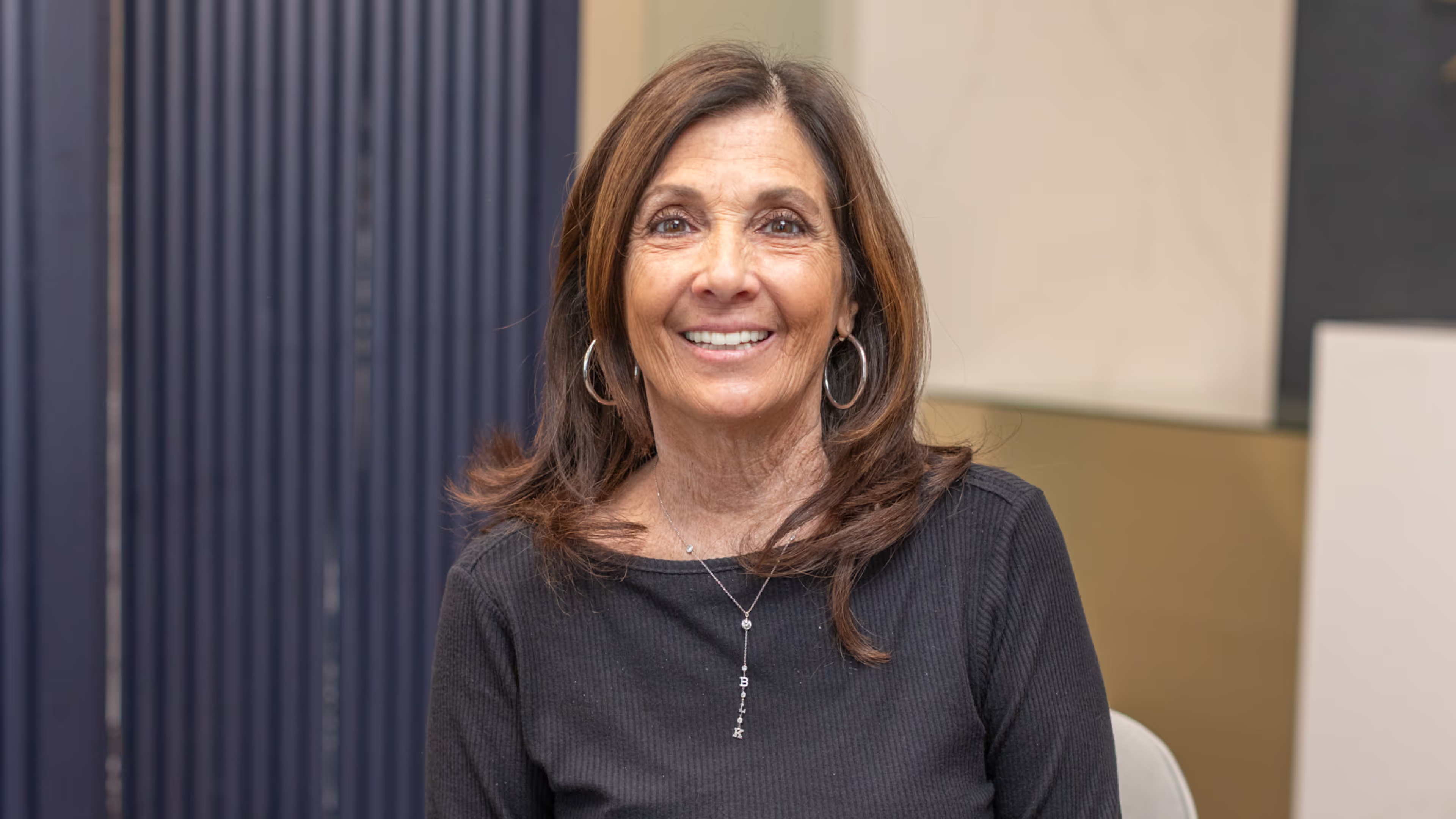
"Hi, I'm Marian from Willowbrook. I came to this practice for a full-arch. When I first walked in, I noticed the very beautiful setting I was in, the very friendly smiles. The staff was very, very accommodating. My doctor was very thorough and did his research before even giving me a treatment plan. My procedures went better than expected, and I'm not conscious of my smile anymore. I'm very confident. My overall experience on a 1 to 10 was a 20. I would recommend this practice. You get the best value for your money with this practice."
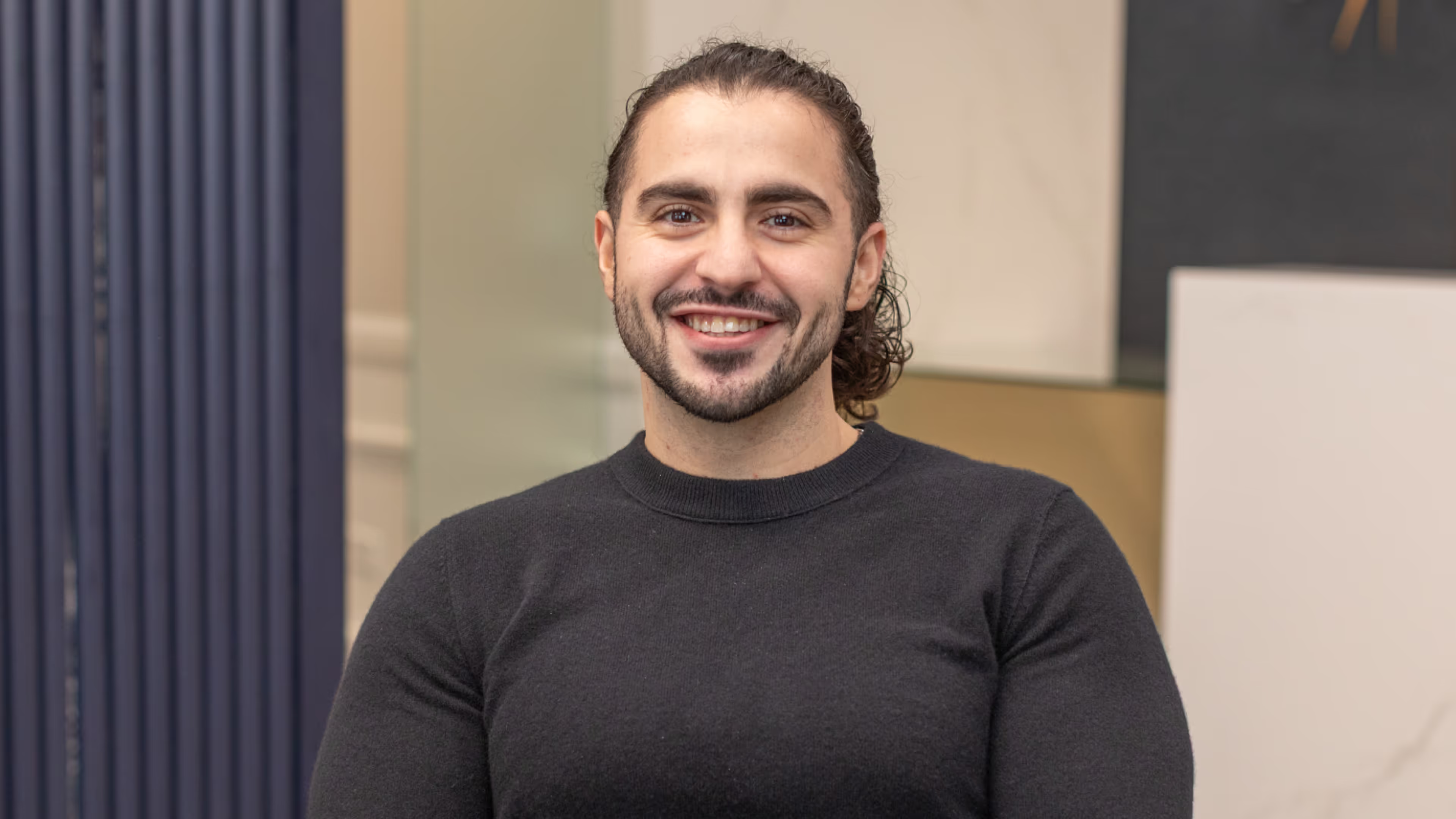
"Hi, I'm Amer. I'm from Countryside, Illinois, and I came to Oral and Facial Surgery of Naperville to have my wisdom teeth extracted. The first thing I noticed was doctors walking in, a smile on their face, very welcoming. They treated me as if I was family. The recovery from my procedure was extremely quick, and I would say overall quality of life is significantly improved. I was able to do the things I wanted to do and to eat the food that I really wanted to eat. Overall, I would say my experience was excellent. The practice is extremely professional. The wait time was incredibly short for the procedure, for the recovery. I would recommend this practice to friends, family. This is the best practice I've ever been to for my medical care."

"I'm April from Naperville, and I came to Oral and Facial Surgery of Naperville for an extraction and an implant. The best thing about this practice is that they made me feel very comfortable. The staff is very compassionate. They make sure you have everything you need. My doctor was very professional, but he was also very friendly, very calming. Everything was very well explained. The procedures, both of them went very well. Having a healthy smile is important to me because it's part of who I am. It was really an extraordinary experience. I would highly recommend this practice to anybody who needs oral surgery of any kind. They're wonderful. All of them."
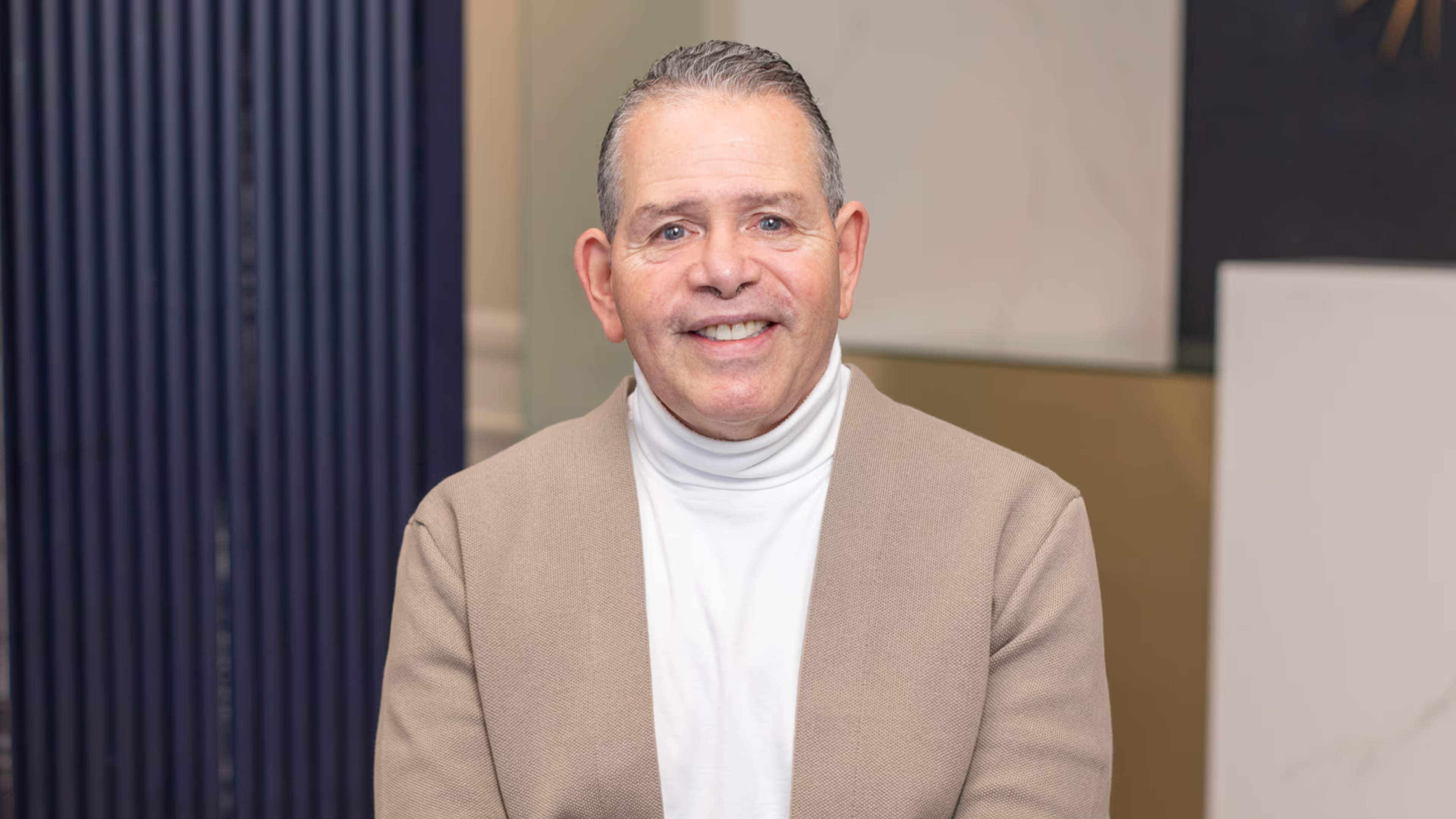
"Hi, I'm Cesar from Chicago, and I came to this practice for jaw surgery. When I first walked into this practice, I felt really at home. The doctors in this practice really are like none other. I knew that the work that was going to be done on me was going to be great. My procedure went very well. The attention to detail, the attention to the follow-up with the doctors in the hospital was phenomenal. This was the only place that was able to do my surgery, and now my jaw is completely stable. Having a healthy smile at my age is so important. To all my friends in Naperville, Lisle, and Warrenville, I would highly recommend Oral and Facial Surgery of Naperville."
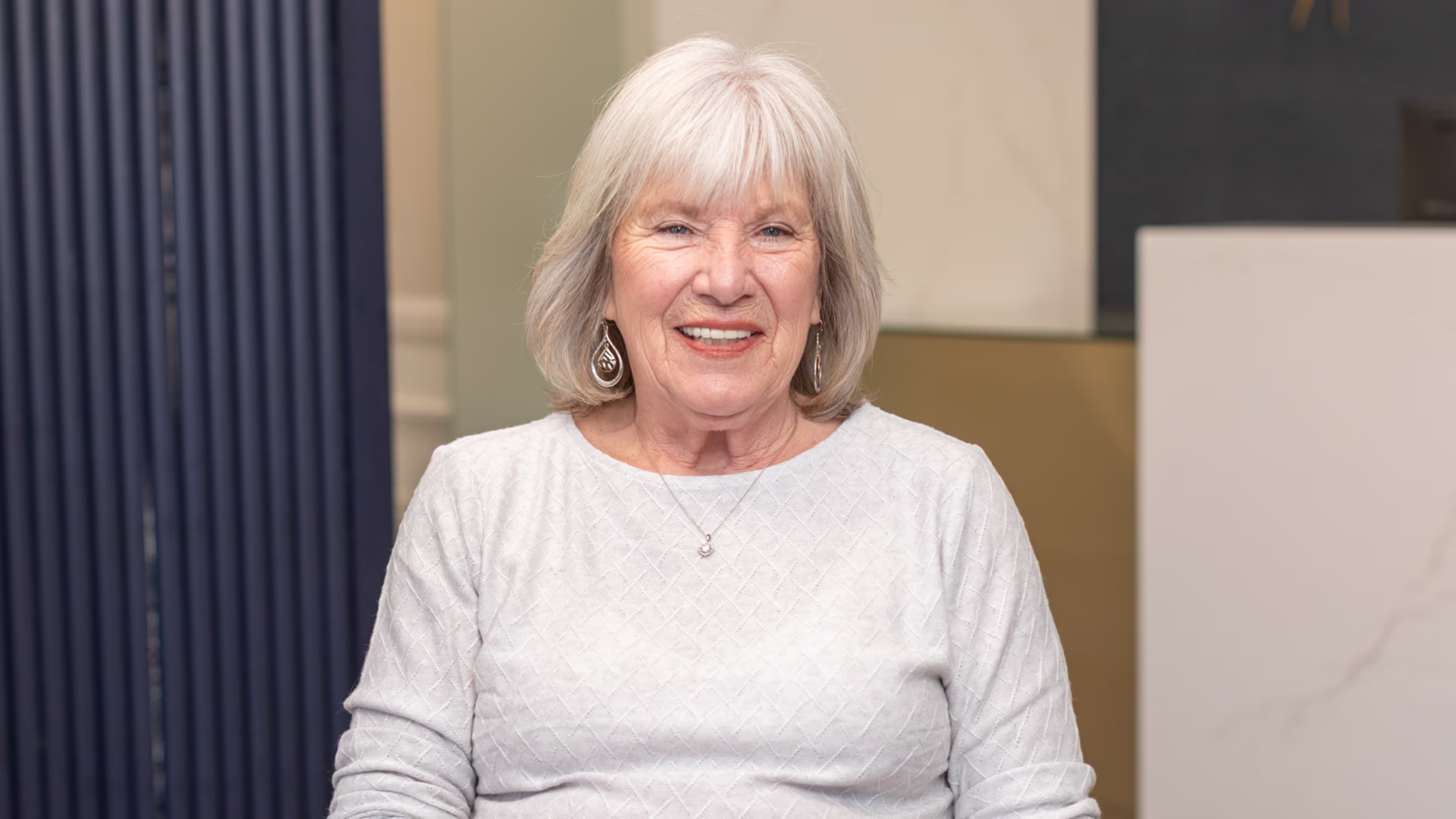
"Hi, I'm Cindy from North Aurora, and I came to this practice for dental implants. Everybody here is very friendly. The staff here is extremely kind. The doctors here are wonderful, caring, and very considerate. Your case is always unique. The procedure went well. I feel wonderful having my implants. I have the best looking teeth I've had in my whole life, and the quality of life is greatly improved because I can actually chew my food. To all my friends and family in Glenn Ellyn, Aurora, and Bolingbrook, I highly recommend Oral and Facial Surgery of Naperville."
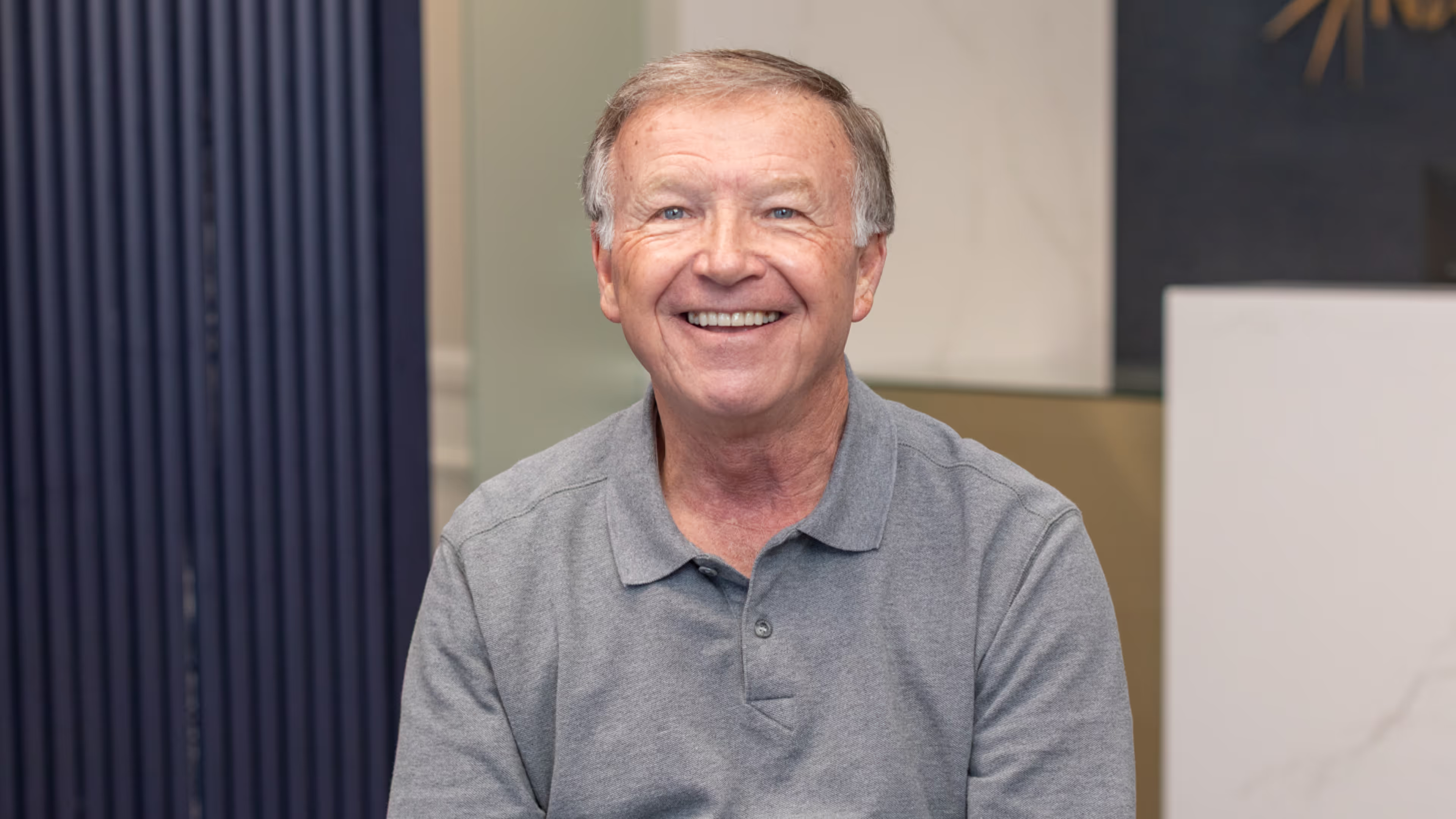
"Hi, I'm Dave from Naperville. I came to Oral and Facial Surgery of Naperville for dental implants, two of them. When I first walked into this practice, I was amazed at the inside of the facility. Staff are very organized and very well trained. I've had one doctor, and I've had him for both of the implants, and I would say very professional. The procedures went very well. The recovery was as they told me it would be. The quality of life improved with having the implants in. Eating food with a smile on my face and enjoy it is nice. I've had a good overall experience at this practice. To all my friends in Naperville, Warrenville, and Lisle, I highly recommend Oral and Facial Surgery of Naperville."
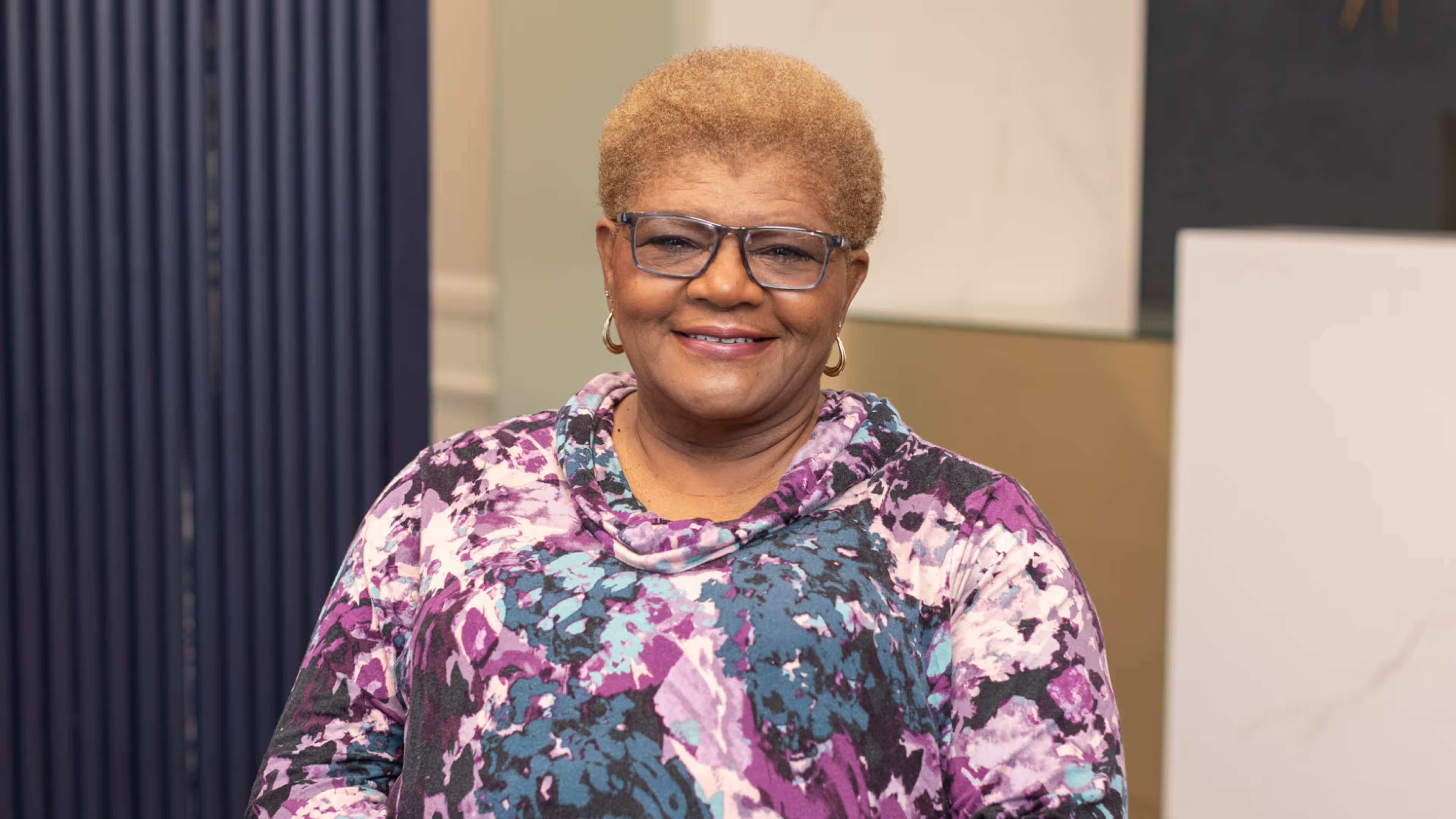
"Hi, I'm Debra from Bolingbrook, Illinois, and I came to this practice for an extraction. The practice was beautiful. The environment was great. Everyone here made me feel very welcomed. I thought they were fantastic. This provider is very transparent, answered all my questions. He was very thoughtful, very considerate, very, very thorough. He went through absolutely everything that was necessary to provide care for me. My procedure went absolutely fantastic. The recovery went well. The extraction was just last week and I feel great. I have recommended this practice to others. Absolutely everything went well."
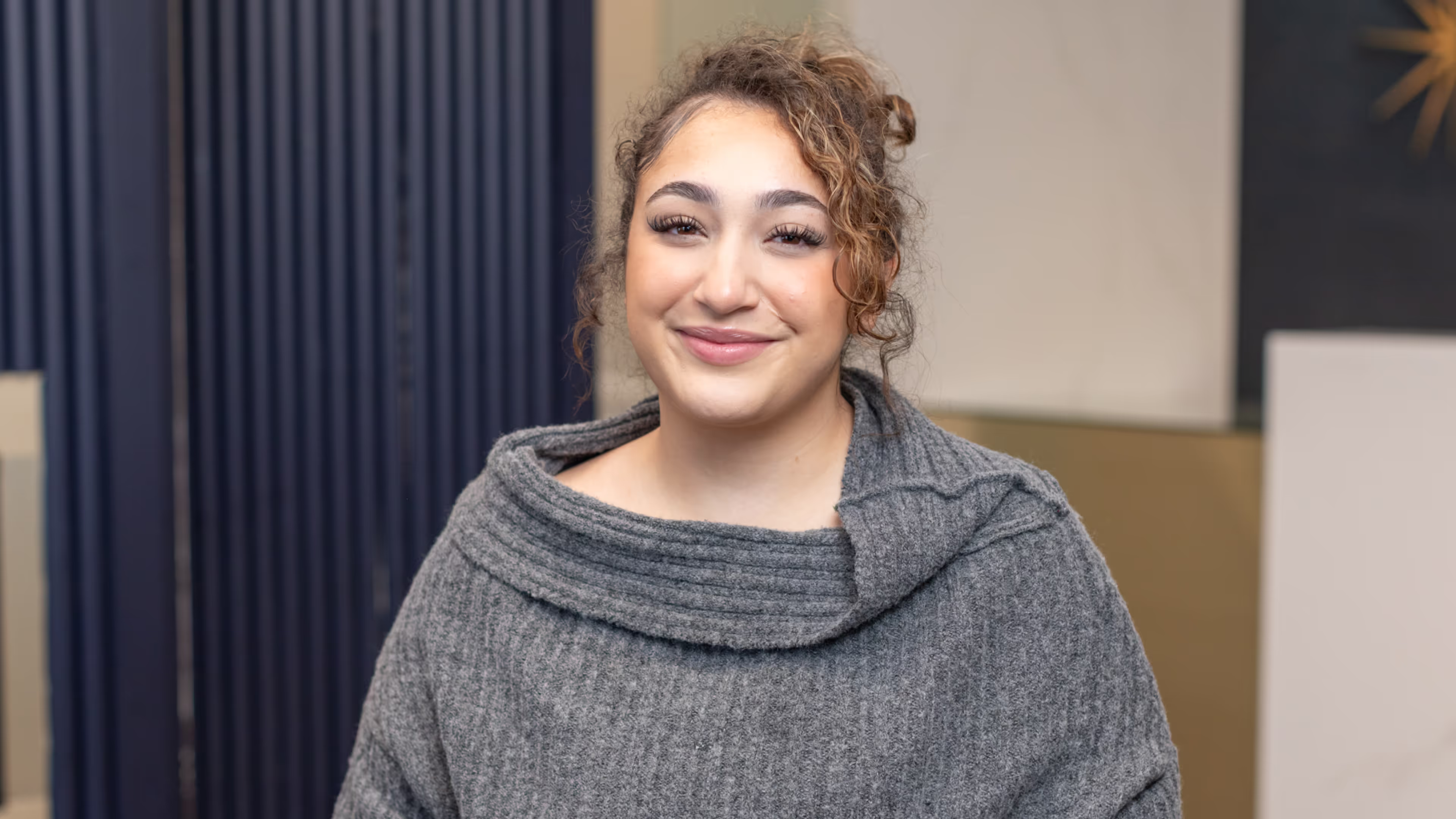
"Hi, I'm Deena from DeKalb, and I came to Oral and Facial Surgery of Naperville to get my wisdom teeth taken out. When I walked into this practice, I felt very comfortable and at ease and knew I was going to have a good experience. The staff here are very friendly. The doctors here were fantastic and welcoming. They provide the best care. My procedure went well, and the recovery was smooth and easy, and my quality of life after getting my wisdom teeth out has improved greatly. I love having a healthy smile because that is the first thing that everyone will see when they look at you. My overall experience was amazing. I give it a 10 out of 10. I highly recommend Oral and Facial Surgery of Naperville."
Request a Full-Arch Implant Consultation in Naperville
Full-arch treatment should resolve more questions than it creates. A consultation provides the opportunity to determine which teeth are maintainable, compare fixed and removable options, review bone anatomy, discuss temporary teeth and recovery, and understand the complete surgical and restorative cost. To meet with Dr. Jandali or Dr. Hur, request a consultation with Oral & Facial Surgery of Naperville or call (630) 961-5151. Our office is located at 129 N Washington Street in downtown Naperville.