Corrective Jaw Surgery in Naperville, IL
Improving Function, Bite, Breathing & Facial Balance
A jaw that sits too far forward, too far back, or unevenly can affect far more than appearance. It may make chewing inefficient, cause the teeth to meet incorrectly, prevent the lips from closing comfortably, or leave the face feeling out of balance. When the problem lies in the jawbones rather than the teeth alone, orthodontics may not be enough.
Corrective jaw surgery, also called orthognathic surgery, repositions the upper jaw, lower jaw, or both to create a more functional relationship between the teeth and facial skeleton. At Oral & Facial Surgery of Naperville, board-certified oral and maxillofacial surgeons Maher Jandali, DMD, MD, and John Hur, DDS, MD, coordinate treatment with each patient’s orthodontist from initial planning through recovery.
What Is Corrective Jaw Surgery?
Corrective jaw surgery changes the position of the jawbones when a skeletal discrepancy interferes with the bite, oral function, airway, or facial balance. Unlike braces or clear aligners, which move teeth within the jaws, orthognathic surgery addresses the structure supporting those teeth.
Depending on the diagnosis, treatment may involve:
- Upper-jaw surgery to reposition the maxilla
- Lower-jaw surgery to reposition the mandible
- Double-jaw surgery when both jaws contribute to the imbalance
- Chin surgery when the chin requires separate correction
Not every uneven bite requires an operation. The purpose of consultation is to determine whether the concern is primarily dental, skeletal, or a combination of both.
What Problems Can Orthognathic Surgery Correct?
Jaw surgery may be appropriate when the size, position, or symmetry of the jaws contributes to a significant functional or structural concern.
Common reasons for evaluation include:
- Underbite, overbite, or crossbite caused by jaw position
- Open bite in which the front teeth do not meet
- Recessed or prominent lower jaw
- Facial asymmetry or a jaw that shifts to one side
- Difficulty biting or chewing efficiently
- Excessive or uneven tooth wear
- Difficulty closing the lips without strain
- Speech concerns influenced by the bite
- Certain airway problems associated with skeletal anatomy
- Developmental differences or previous facial injuries affecting the jaws
Jaw pain by itself does not establish a need for corrective surgery. Temporomandibular joint symptoms can arise from several causes, and changing the bite does not guarantee that joint pain will improve. Patients whose primary concern is jaw-joint discomfort may also need a focused TMJ disorder evaluation.
Do I Need Braces or Jaw Surgery?
Braces move teeth. Jaw surgery moves the bones that contain them. Orthodontic treatment may correct a bite caused mainly by tooth position, but it cannot fully resolve every discrepancy in jaw size, projection, or symmetry.
An orthodontist may recommend surgical evaluation when aligning the teeth alone would require an unstable compromise or would not create an appropriate bite. The oral surgeon then considers:
- The cause and severity of the discrepancy
- Jaw growth and skeletal maturity
- Tooth, gum, and jaw-joint health
- Chewing, speech, breathing, and lip closure
- Facial proportions and anticipated changes
- Benefits and limitations of nonsurgical treatment
- General health and readiness for recovery
Some patients can be treated without surgery. A responsible recommendation should explain why each option is or is not suitable.
Who May Be a Candidate for Corrective Jaw Surgery?
Candidates generally have a clinically meaningful skeletal discrepancy that orthodontics alone cannot correct predictably. They must also be healthy enough for surgery and prepared for orthodontic treatment, dietary restrictions, recovery, and follow-up care.
For developmental jaw conditions, surgery is usually planned after facial growth is substantially complete. Younger patients may still benefit from early assessment so growth and orthodontic timing can be monitored.
Adults may be considered at many ages when their oral and general health support treatment. Age alone does not determine candidacy.
How Do Orthodontics and Jaw Surgery Work Together?
Orthognathic treatment is typically shared among the oral surgeon, orthodontist, and general dentist. Each phase prepares for the next.
Before Surgery
Braces or clear aligners position the teeth so they will fit appropriately after the jaws are moved. The bite may temporarily appear more pronounced during this phase because the orthodontist is removing dental compensation around the skeletal problem.
Surgical Planning
Once the teeth are ready, the surgeon evaluates the bite, facial proportions, jaw anatomy, and health history. Photographs, dental records, and imaging help define the proposed movements.
Jaw Surgery
The planned jaw segments are repositioned and stabilized. The operation may involve the upper jaw, lower jaw, or both.
After Surgery
Orthodontic treatment continues after initial healing to refine the bite. Retainers are generally required when active tooth movement is complete.
Keeping appointments with both specialists is essential because the orthodontic and surgical plans depend on one another.
How Is Jaw Surgery Planned?
Orthognathic planning considers the teeth, jawbones, airway, soft tissues, and facial proportions together. Records may include photographs, bite measurements, digital dental scans, X-rays, and three-dimensional imaging.
Oral & Facial Surgery of Naperville uses 3D cone-beam CT imaging to evaluate jaw and facial anatomy. This imaging provides a three-dimensional view of skeletal relationships and nearby structures, helping the surgeon develop and explain the proposed plan.
Digital planning can make the treatment easier to visualize, but it cannot promise an exact facial result. Surgical judgment, clinical examination, and coordination with the orthodontist remain central to the process.
What Happens During Corrective Jaw Surgery?
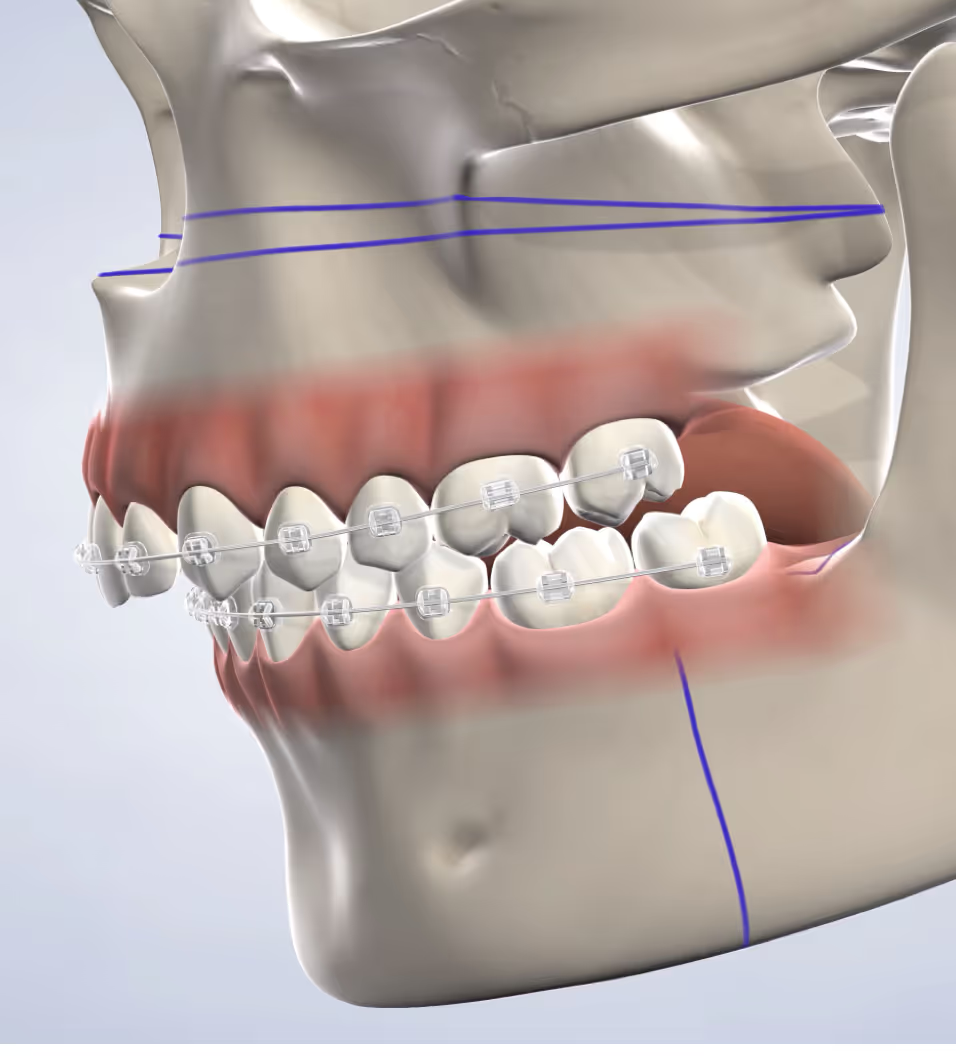
Corrective jaw surgery is performed under general anesthesia. The surgeon makes controlled cuts in the jawbone, moves each segment into its planned position, and stabilizes it with plates and screws. Most incisions are placed inside the mouth, although the precise approach depends on the operation.
Upper-jaw surgery may be used to correct an open bite, crossbite, midface deficiency, vertical imbalance, or asymmetry. Lower-jaw surgery may move a recessed or prominent mandible or correct side-to-side imbalance. When the entire upper-to-lower jaw relationship requires correction, both jaws may be repositioned.
A genioplasty may separately adjust the chin when chin position contributes to a functional or proportional concern. It is not necessary for every jaw-surgery patient.
Dr. Jandali or Dr. Hur will explain which operation is proposed, what movements are planned, how the bones will be stabilized, and what changes may reasonably be expected.
Anesthesia and Sedation Options
The anesthesia plan is selected according to the procedure, medical history and patient’s comfort needs. Available options may include local anesthesia, nitrous oxide, intravenous sedation or general anesthesia.
What Is Recovery From Jaw Surgery Like?
Recovery occurs in stages. Swelling, congestion, facial tightness, fatigue, restricted jaw movement, and altered sensation are common early experiences. Swelling is usually most noticeable during the initial phase and gradually improves, although subtle residual swelling may remain longer.
Patients receive individualized instructions covering:
- Hydration and nutrition
- Oral hygiene
- Medication use
- Swelling management
- Elastics or other bite guidance
- Physical activity
- Follow-up visits
- Return to work, school, exercise, and driving
A liquid or no-chew diet is commonly required at first. Foods are reintroduced only as the surgeon permits. Adequate protein, calories, and fluids are important even when appetite is reduced.
The earliest recovery is measured in weeks, but bone healing, sensory changes, resolution of swelling, and orthodontic refinement continue longer. Patients should arrange transportation, help at home, suitable foods, and sufficient time away from responsibilities before surgery.
Will My Jaw Be Wired Shut?
Not necessarily. Plates and screws commonly stabilize the repositioned bones. Elastics may still guide the bite and limit movement during healing, but this is different from assuming the jaws will be rigidly wired together.
The surgeon will explain how the bite will be supported, how much the mouth may open, and what to do if nausea, breathing difficulty, or another urgent concern develops.
When Will I See My Final Results?
The corrected jaw position is present after surgery, but swelling initially masks facial definition. The face becomes more refined as swelling resolves and the soft tissues adapt to the new skeletal framework.
Functional recovery also develops gradually. The bite must stabilize, jaw movement must return, sensation may continue to change, and the orthodontist may need to fine-tune tooth position. Early photographs should not be treated as the final result.
Corrective jaw surgery is intended to provide lasting structural change, but healing, growth, tooth movement, joint health, and other biological factors may affect long-term stability.
Can Jaw Surgery Improve Breathing?
It may improve breathing in selected patients whose airway limitation is related to jaw anatomy. However, not every breathing concern is skeletal, and bite correction should not automatically be expected to treat obstructive sleep apnea.
Snoring, witnessed pauses in breathing, daytime sleepiness, or a diagnosed sleep disorder may warrant formal sleep and airway evaluation. Any airway-focused surgical plan should reflect the diagnosis, jaw structure, bite, and input of the appropriate specialists.
How Will Jaw Surgery Change My Appearance?
Moving the jaws changes the framework supporting the lips, cheeks, chin, and lower face. Some change in facial appearance is therefore expected even when function is the primary reason for surgery.
Planning considers facial balance alongside the bite, but the goal is not to create a standardized look. The surgeon should explain which changes are reasonably anticipated, which remain less predictable, and how postoperative swelling will affect the early appearance.
Patients should discuss both desired and undesired changes before deciding on surgery. Digital simulations may support that discussion but cannot guarantee an exact result.
What Are the Risks of Corrective Jaw Surgery?
Corrective jaw surgery is a major operation with potential risks. These include bleeding, infection, anesthesia complications, delayed or unfavorable bone healing, bite changes, relapse, hardware problems, injury to teeth or roots, gum concerns, jaw-joint symptoms, scarring, and the need for additional treatment.
Sensory nerves pass through areas commonly involved in jaw surgery. Temporary numbness or altered sensation may occur, particularly around the lower lip, chin, gums, or cheeks. In some patients, sensory changes persist.
The nature and likelihood of complications vary with the operation, anatomy, health history, and proposed movements. The surgeon will review the risks most relevant to the individual plan and discuss reasonable alternatives.
Difficulty breathing, uncontrolled bleeding, chest pain, persistent vomiting, inability to maintain hydration, or rapidly increasing swelling after surgery requires urgent medical guidance.
Why Choose Oral & Facial Surgery of Naperville?
Corrective jaw surgery demands expertise in facial anatomy, skeletal reconstruction, anesthesia, bite relationships, and interdisciplinary treatment. Dr. Maher Jandali and Dr. John Hur each hold dental and medical degrees and are certified by the American Board of Oral and Maxillofacial Surgery.
Their training includes corrective jaw surgery and management of complex conditions affecting the mouth, jaws, and face. Treatment at Oral & Facial Surgery of Naperville incorporates 3D evaluation and direct coordination with the patient’s orthodontist.
The consultation is intended to make a complex decision understandable. Patients should leave knowing why surgery is being considered, what it may realistically improve, how facial appearance may change, what alternatives exist, and what the complete treatment process will require.
Frequently Asked Questions About Corrective Jaw Surgery
Patients receive general anesthesia and do not feel the operation. Discomfort, swelling, pressure, tightness, congestion, and altered sensation are expected afterward, although their intensity varies. For some patients, swelling and nasal congestion are more noticeable than sharp pain. The surgical team provides an individualized medication and recovery plan.
Initial recovery is generally measured in weeks, while bone healing, residual swelling, sensory changes, and orthodontic refinement continue longer. The operation performed, healing response, and demands of work or school all influence timing. Patients should rely on individualized guidance when arranging leave or returning to strenuous activity.
Often, yes. Presurgical orthodontics places the teeth where they will fit after the jaws are repositioned. Postsurgical orthodontics then refines the bite. The sequence and duration vary with the diagnosis, and any alternative approach should be planned jointly by the oral surgeon and orthodontist.
Yes, when the problem is caused substantially by jaw position. A bite discrepancy caused mainly by tooth position may be treated orthodontically instead. Examination, bite records, and imaging help distinguish a dental problem from a skeletal one.
Not necessarily. TMJ pain may arise from several causes. Although orthognathic surgery changes the bite and jaw relationship, joint symptoms may improve, remain unchanged, or worsen. Patients with TMJ concerns should receive an appropriate evaluation and discuss this uncertainty before treatment.
No. Orthognathic surgery commonly treats a skeletal discrepancy affecting the bite or oral function. It may also influence chewing, speech, lip closure, airway anatomy, dental health, and facial balance. Appearance changes are an expected consequence of repositioning the facial skeleton and should be discussed during planning.
Coverage depends on the insurance plan, diagnosis, documented functional impairment, exclusions, and authorization requirements. Insurers may request imaging, photographs, orthodontic records, or evidence of symptoms. Coverage is not guaranteed when surgery is recommended, and orthodontic benefits are usually evaluated separately.
Cost depends on the proposed operation, treatment setting, anesthesia, imaging, orthodontic care, insurance benefits, and related services. Surgical and orthodontic fees are generally separate. Once a plan has been developed, the practice can provide relevant estimates and review available financing options.
Patient Testimonials
Hear from our patients about their experiences with Corrective Jaw Surgery and other procedures.
"Hi, I'm Cesar from Chicago, and I came to this practice for jaw surgery. When I first walked into this practice, I felt really at home. The doctors in this practice really are like none other. I knew that the work that was going to be done on me was going to be great. My procedure went very well. The attention to detail, the attention to the follow-up with the doctors in the hospital was phenomenal. This was the only place that was able to do my surgery, and now my jaw is completely stable. Having a healthy smile at my age is so important. To all my friends in Naperville, Lisle, and Warrenville, I would highly recommend Oral and Facial Surgery of Naperville."
"Hi, I'm Amer. I'm from Countryside, Illinois, and I came to Oral and Facial Surgery of Naperville to have my wisdom teeth extracted. The first thing I noticed was doctors walking in, a smile on their face, very welcoming. They treated me as if I was family. The recovery from my procedure was extremely quick, and I would say overall quality of life is significantly improved. I was able to do the things I wanted to do and to eat the food that I really wanted to eat. Overall, I would say my experience was excellent. The practice is extremely professional. The wait time was incredibly short for the procedure, for the recovery. I would recommend this practice to friends, family. This is the best practice I've ever been to for my medical care."

"I'm April from Naperville, and I came to Oral and Facial Surgery of Naperville for an extraction and an implant. The best thing about this practice is that they made me feel very comfortable. The staff is very compassionate. They make sure you have everything you need. My doctor was very professional, but he was also very friendly, very calming. Everything was very well explained. The procedures, both of them went very well. Having a healthy smile is important to me because it's part of who I am. It was really an extraordinary experience. I would highly recommend this practice to anybody who needs oral surgery of any kind. They're wonderful. All of them."

"Hi, I'm Cindy from North Aurora, and I came to this practice for dental implants. Everybody here is very friendly. The staff here is extremely kind. The doctors here are wonderful, caring, and very considerate. Your case is always unique. The procedure went well. I feel wonderful having my implants. I have the best looking teeth I've had in my whole life, and the quality of life is greatly improved because I can actually chew my food. To all my friends and family in Glenn Ellyn, Aurora, and Bolingbrook, I highly recommend Oral and Facial Surgery of Naperville."

"Hi, I'm Dave from Naperville. I came to Oral and Facial Surgery of Naperville for dental implants, two of them. When I first walked into this practice, I was amazed at the inside of the facility. Staff are very organized and very well trained. I've had one doctor, and I've had him for both of the implants, and I would say very professional. The procedures went very well. The recovery was as they told me it would be. The quality of life improved with having the implants in. Eating food with a smile on my face and enjoy it is nice. I've had a good overall experience at this practice. To all my friends in Naperville, Warrenville, and Lisle, I highly recommend Oral and Facial Surgery of Naperville."
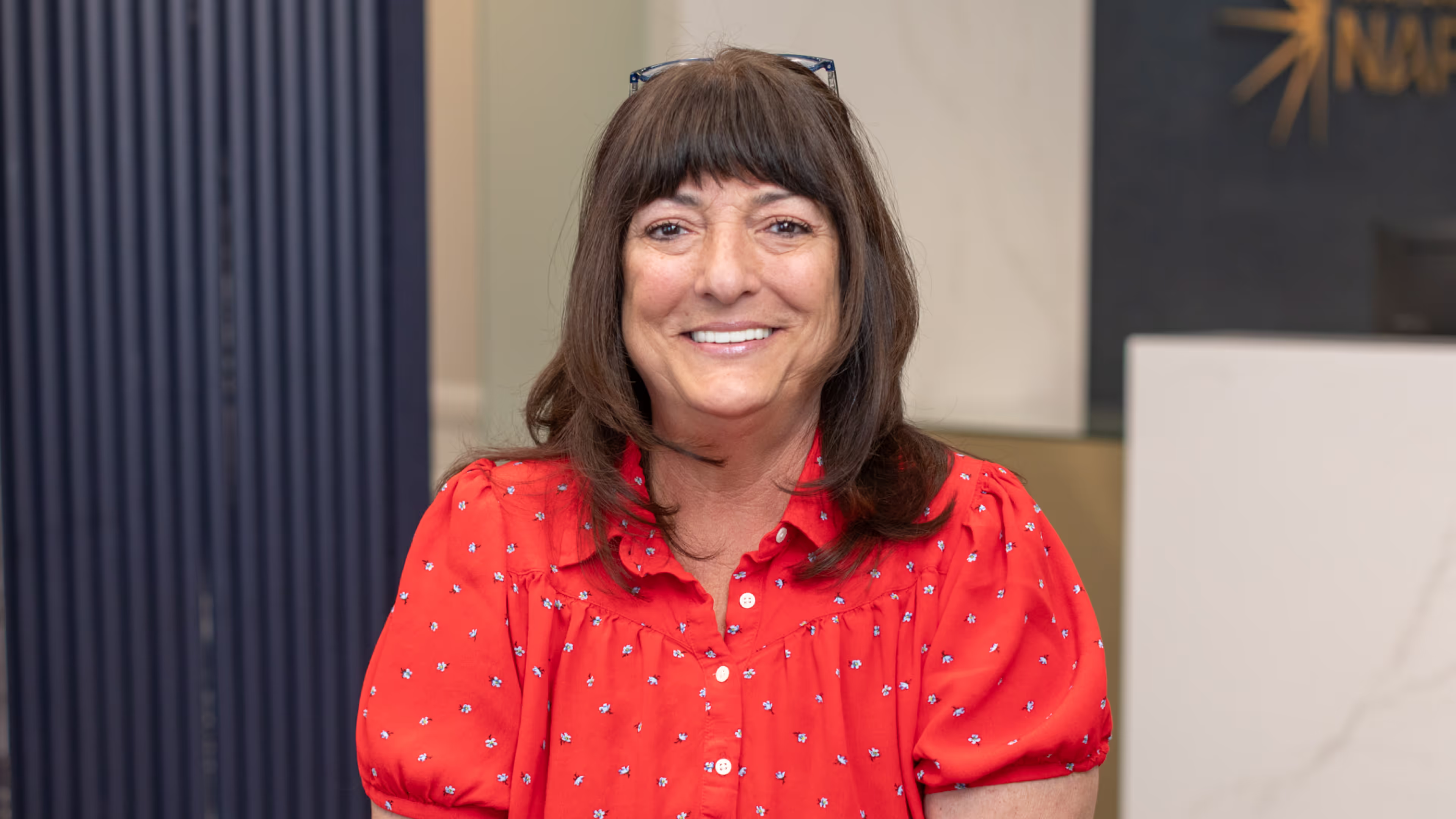
"Hi, I'm Debi from Warrenville. I came to this practice for a full-arch. This practice, they're amazing; welcoming, so kind, so conscientious, explained everything, made you feel at ease. I healed perfectly. My quality of life is amazing. I can now eat an apple, corn on the cob. I actually had to remind myself that I had a pretty smile and pretty teeth, and I could open my mouth and smile. I had an amazing experience. I highly recommend this practice."
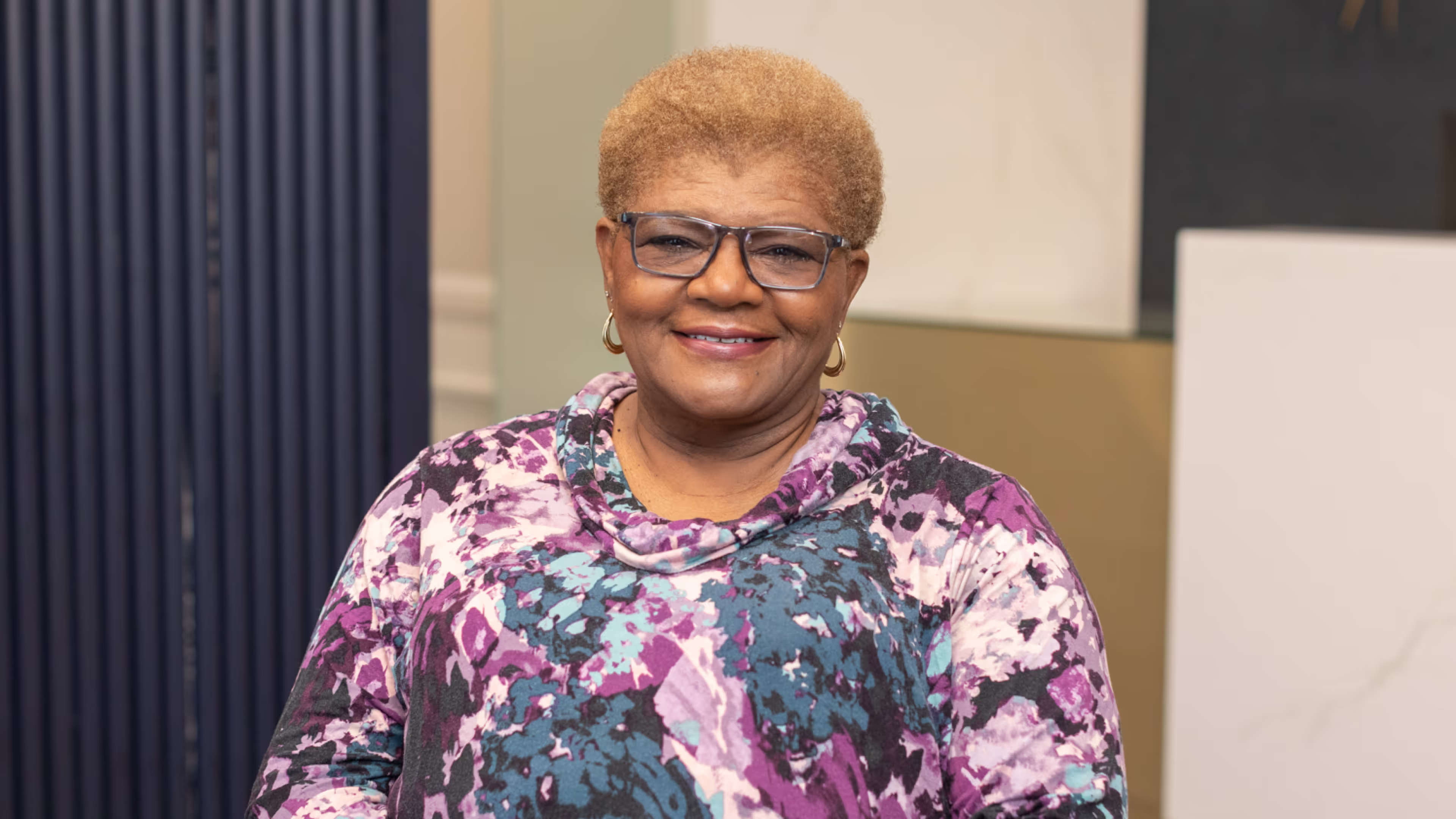
"Hi, I'm Debra from Bolingbrook, Illinois, and I came to this practice for an extraction. The practice was beautiful. The environment was great. Everyone here made me feel very welcomed. I thought they were fantastic. This provider is very transparent, answered all my questions. He was very thoughtful, very considerate, very, very thorough. He went through absolutely everything that was necessary to provide care for me. My procedure went absolutely fantastic. The recovery went well. The extraction was just last week and I feel great. I have recommended this practice to others. Absolutely everything went well."

"Hi, I'm Deena from DeKalb, and I came to Oral and Facial Surgery of Naperville to get my wisdom teeth taken out. When I walked into this practice, I felt very comfortable and at ease and knew I was going to have a good experience. The staff here are very friendly. The doctors here were fantastic and welcoming. They provide the best care. My procedure went well, and the recovery was smooth and easy, and my quality of life after getting my wisdom teeth out has improved greatly. I love having a healthy smile because that is the first thing that everyone will see when they look at you. My overall experience was amazing. I give it a 10 out of 10. I highly recommend Oral and Facial Surgery of Naperville."
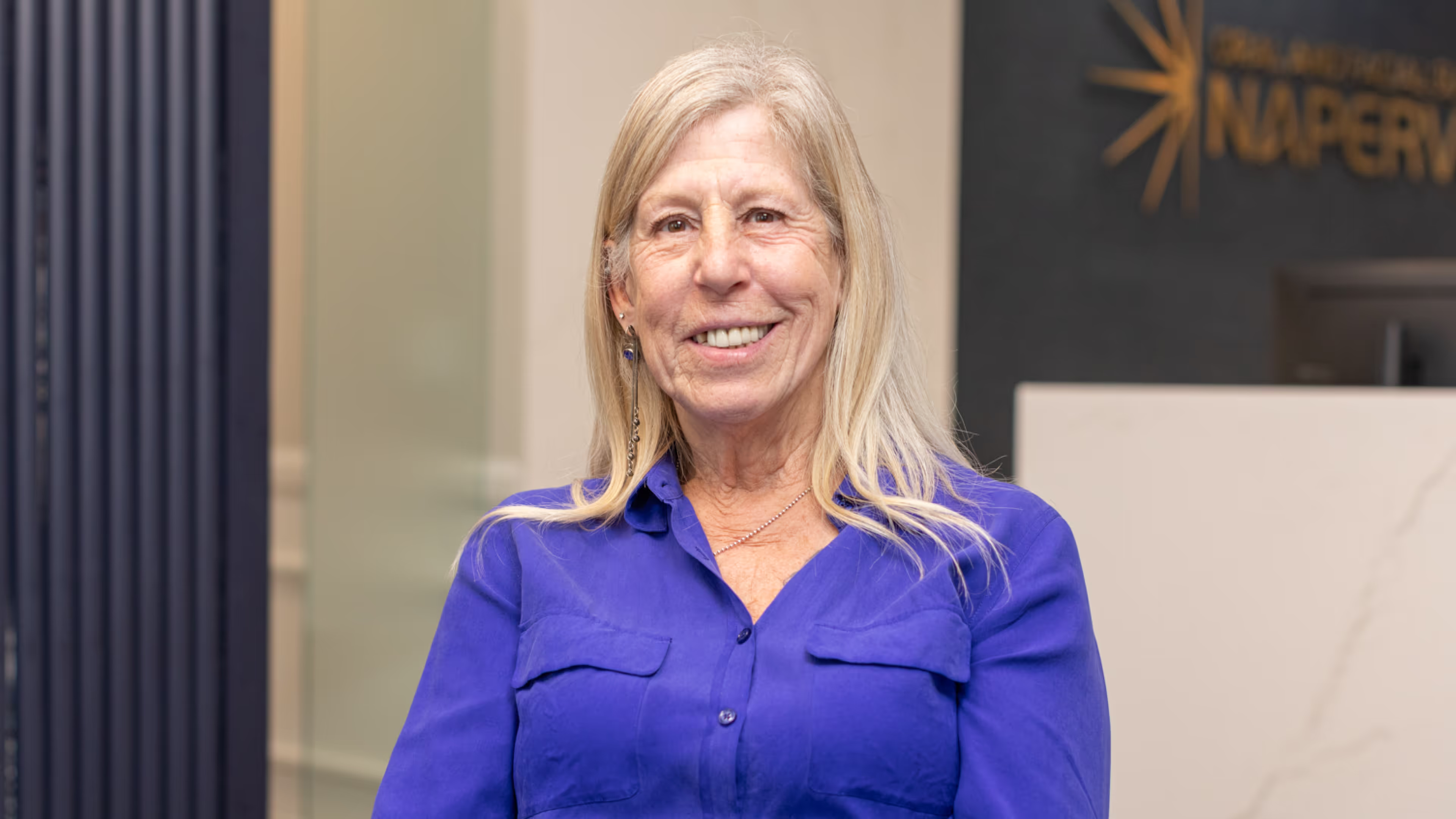
"Hi, I'm Gloria from Channahon. I came to this practice for dental implants. When I first walked into this office, I was really surprised by how comfortable it was. The staff here is beyond professional. They are very personable, very workable and agreeable. Great staff. My doctor was genuinely involved in every aspect of my treatment plan, willing to work with me and interested in making sure that I got the success that I wanted. My comfortableness with being out around people and in society was given back to me. I would absolutely recommend this practice. The best thing about this practice is everything. The overall experience is the absolute best I've ever had anywhere."
Schedule a Corrective Jaw Surgery Consultation in Naperville
The first decision is not when to have surgery. It is whether jaw position is truly contributing to the problem and whether an operation offers a meaningful advantage over orthodontic or other nonsurgical care. A consultation with Dr. Jandali or Dr. Hur provides the opportunity to evaluate the bite, review the skeletal anatomy, discuss functional and facial goals, and understand the full treatment sequence. To begin, contact Oral & Facial Surgery of Naperville at 129 N Washington Street in downtown Naperville.